
- By: David J. Zappitell
- dangerous roads
- Dec 16
- Comments (0)
If you drive in Boca Raton, you need to know exactly where and when, and how, to be extra alert at the most dangerous intersections Boca Raton has to offer.
Zappitell Law is here to guide you with expert insight into local crash hotspots and help you stay safer on Boca Raton’s busiest roads.
Why Certain Intersections Stand Out
Some junctions in Boca Raton experience a high frequency of crashes due to a combination of heavy traffic, confusing road layouts, and risky driver behaviors. In Palm Beach County, intersections along Military Trail consistently appear among the most dangerous in recent crash-data studies.
Also, intersections like Glades Road & State Road 7 (SR-7 / US-441) show up time and again as high risk, with many accidents recorded over the years.
The underlying causes are common to dangerous intersections everywhere: heavy through-traffic, multiple turn/merge lanes, poorly timed signals, limited visibility, and drivers speeding or cutting through to beat a light or merge.
Intersections to Watch, and When to Be Especially Cautious
Here are some of the worst intersections (or corridors) in Boca Raton, and when you should try to avoid them if you can.
Glades Road & State Road 7 (US-441)
- This is a major east-west artery intersecting a major north-south highway. Heavy retail, shoppers, commuters.
- Expect congestion and a high crash risk, especially during midday and weekend shopping hours.
Glades Road & Airport Road (or nearby NW 15th Ave)
- A known hotspot. Its complexity (multiple lanes, lots of traffic) makes it dangerous.
- Rush-hour on Glades (afternoon/evening) tends to be especially risky.
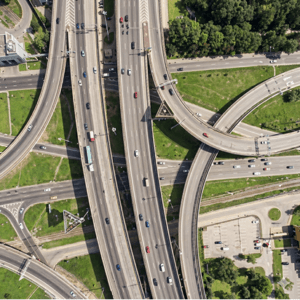 Interchanges Around I-95 and Major Roads (like Glades, Palmetto Park, or Federal Highway)
- Merging traffic, on/off ramps, and fast vehicles is a recipe for rear-end collisions or sideswipes.
- Peak times: morning commute (drivers trying to get onto I-95) and evening rush hour (drivers exiting I-95 into Boca’s commercial/residential zones).
Busy Corridors Along Military Trail (especially Near Signalized Intersections like Forest Hill Boulevard)
- According to recent county-wide data, intersections along Military Trail comprise a large share of the top crash-prone spots.
- These areas experience heavy commuter traffic, often fast-moving. Drivers merging, turning, or changing lanes add risk.
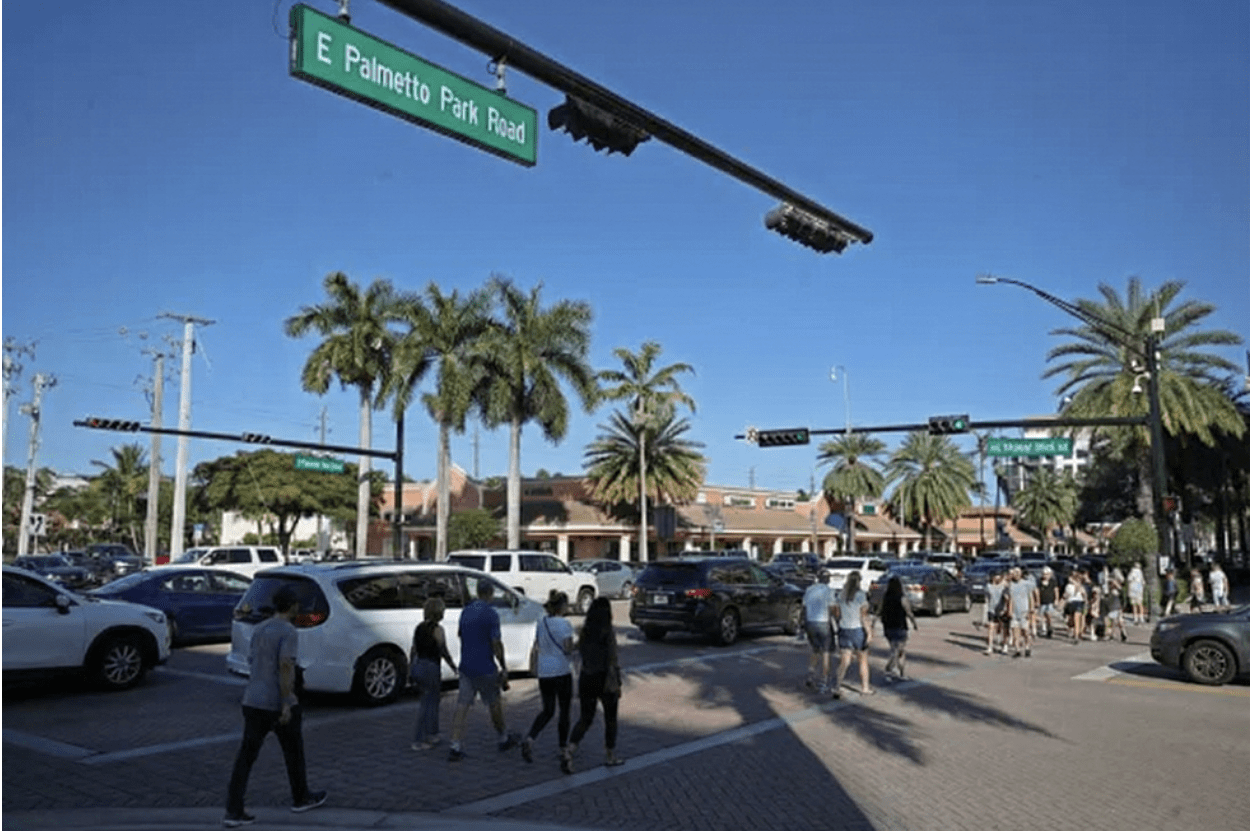
Palmetto Park Road, Powerline Road, and Shopping-Area Junctions
- Areas with lots of businesses, shoppers, and pedestrians mean a high chance of unexpected stops, abrupt turns, or people crossing.
- Especially risky near weekends or holiday shopping spikes.
What to Do and How to Drive Safer in Boca Raton
If you must drive through these intersections, follow these safety practices:
- Slow down and scan ahead as you approach intersections like Glades & SR-7 or near I-95 entry/exit ramps. Multiple lanes and heavy traffic make quick decisions risky.
- Avoid peak rush hours like the morning commute and the typical 5:00–6:30 PM evening rush are when congestion and crash risk spike. Also, near school zones around Military Trail, mid-afternoon (around 2:45–3:30 PM) can be dangerous due to a mix of young drivers, pedestrians, and parent traffic.
- Leave extra space between you and the car ahead. Sudden lane changes, merging, or brake stops are common at these busy intersections.
- Be extra cautious near on-ramps/off-ramps. Merging traffic can come quickly; drivers entering or exiting may misjudge distance or speed.
- Watch for distractions like pedestrians, cyclists, shoppers, and turning cars that are all around, especially in commercial areas and near shopping centers.
Why These Intersections Stay Dangerous, Backed by Research
Intersections, especially signalized ones, are known crash hot spots nationwide. According to a county safety study, over half of severe collisions occur at or near intersections, often involving multiple vehicles making angle or side-impact collisions.
Also, traffic engineering research shows that high “through volume,” heavy left-turn traffic, conflicting signal phases, and long queue lengths significantly increase crash risk at busy intersections.
In Boca Raton and Palm Beach County, the combination of growing population, heavy commuter traffic, expansive commercial zones, and complex road layouts keeps certain intersections persistently dangerous.
What You Need to Know If You’re Injured
 Suppose you’re involved in a crash at one of these dangerous intersections in Boca Raton, especially where fault is unclear (e.g., sudden merging, poorly marked lanes, or ambiguous turning), it’s important to document everything: photos, witness info, police report, traffic conditions, light timing, etc.
That’s where a qualified personal injury lawyer becomes essential. A lawyer who knows Boca Raton roads and crash history can help you assess liability and build a strong claim based on local data and traffic safety research.
Because collision patterns at intersections often reveal systemic issues, like poor signal timing or inadequate signage. Cases at high-risk intersections often require a more thorough investigation. A skilled personal injury lawyer can help uncover those details and advocate for your rights.
What to Do Next
If you drive through Boca Raton often, treat intersections such as Glades & SR-7, Military Trail junctions, and ramps around I-95 with respect. Avoid rush hour if possible. Slow down. Stay alert.
If you or someone you love is harmed in a crash at one of these hot-spot intersections, don’t wait. Click here or give us a call at (561) 330-6330 to consult a qualified personal injury lawyer as soon as possible. We are committed to protecting patients’ rights with compassion and expertise.
Q&A: Common Questions from Clients
Q: Are these intersections really that much more dangerous than others?
A: Yes. Crash data and county studies show a disproportionate number of serious collisions occur at certain signalized intersections — often due to traffic volume, lane complexity, or merging hazards.
Q: What times should I especially avoid driving through high-risk intersections?
A: If you can avoid morning rush hours, the evening 5:00–6:30 PM commute, and school dismissal times (around 3 PM near Military Trail), when traffic volume and risk are highest.
Q: If I get into a crash, how can a personal injury lawyer help me?
A: A competent lawyer can collect evidence, reconstruct the accident, examine signal timing or road design issues, interview witnesses, and help you pursue rightful compensation, especially when liability may involve more than just simple driver error.
Q: Does this data include accidents involving pedestrians or cyclists?
A: Yes, intersections with heavy pedestrian or bike traffic (near shopping centers, universities, malls) tend to show elevated risks of collisions involving vulnerable road users, especially when visibility is poor or drivers misjudge turns.
About the Author
David J. Zappitell is a Florida Bar Certified Civil Trial Lawyer and the founder of Zappitell Law Firm in Delray Beach. With decades of experience representing victims of medical malpractice and other personal injury cases, David has been recognized by the National Trial Lawyers: Top 100 for his dedication to justice and client advocacy.