
- By: David J. Zappitell
- Waymo taxis
- Dec 7
- Comments (0)
What we’re hearing, and why Delray should pay attention
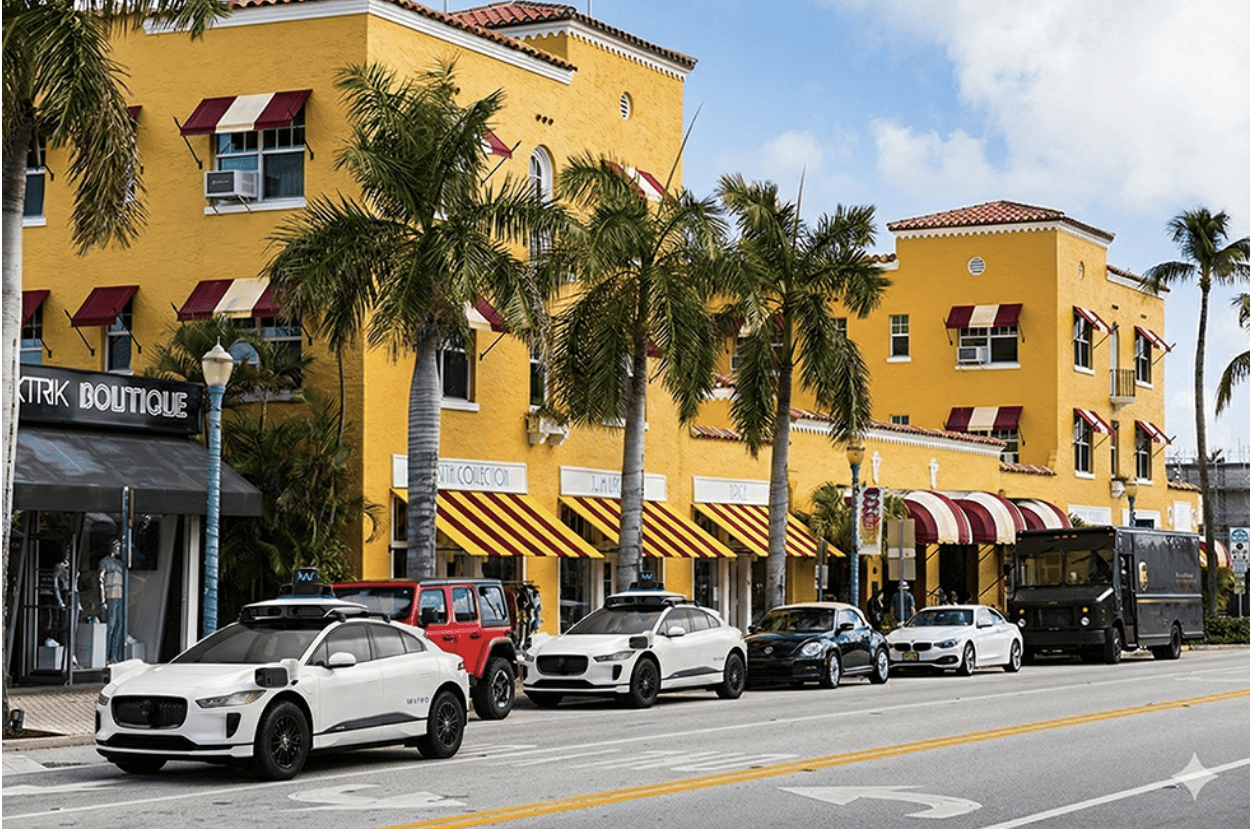
Is Delray Beach about to see driverless cars on its streets? Short answer: possibly, and sooner than many expect. Insider reports and open filings suggest two big trends: Waymo has already rolled out operations in Miami and will be on the streets early 2026, while Tesla has signaled aggressive robotaxi hires and rollouts that include Florida markets. That means autonomous vehicles could be in your Delray Beach neighborhood soon.
Zappitell Law Firm is here to explain how this could impact pedestrian and vehicle safety, providing key insights and important data.
Who’s coming to South Florida (and when)
- Waymo: Waymo recently announced full robotaxi operations in Miami and plans to expand services to additional Sun Belt cities with public launches expected through 2026. The company publishes safety and deployment updates and has been removing in-vehicle safety operators in new rollout cities as part of scaling to rider-only service.
- Tesla: Tesla’s leadership has publicly discussed a Robotaxi initiative and has been hiring and testing in multiple states, with statements indicating plans for expansions in Florida. Local reporting and industry outlets have connected Tesla’s ambitions to Miami–Tampa area deployments that could affect nearby cities like Delray.
Put together, those moves mean Delray (sitting between Miami and West Palm/Tampa corridors) could see mapping, testing, or limited robotaxi service corridors by 2026 as operators expand their footprints.
What the safety data says: fewer crashes, but watch the caveats
One of the most significant arguments supporters make for autonomous technology is safety: machines don’t get distracted, drunk, or impatient. Waymo’s safety reports and independent peer-reviewed studies show that advanced autonomous driving systems can reduce certain crash types when compared to human-driver baselines.
For example, Waymo’s published impact analyses show fewer crashes per million miles for its fleet versus human benchmarks, and multiple matched analyses find statistically significant reductions in police-reported and injury crash rates for autonomous systems in controlled comparisons.
Federal safety agencies also highlight the potential for automation to lower human-error crashes, which account for the vast majority of collisions, while noting that the technology is still evolving and must be carefully regulated and tested locally. In short, early data points toward fewer crashes overall, but the picture is nuanced and depends on deployment scale, local road conditions, and how mixed fleets (human-driven plus autonomous) interact.

Why pedestrian safety in Delray matters more than ever
Delray Beach is a pedestrian-friendly coastal city with tourists, joggers, and busy downtown corridors. Introducing robotaxis changes the mix in two ways:
- Potential safety gains: Autonomous systems are often better at predictable, rule-based responses (slowing for crosswalks, consistent scanning), which can reduce certain crash types that injure pedestrians. The companies’ own analyses point to reductions in high-risk crash types when Level 4 systems are operating in mapped zones.
- New risks during transition: The period when autonomous vehicles share the road with human drivers, delivery vehicles, bikes, and pedestrians is the trickiest. AVs rely on precise mapping and predictable behavior; unexpected jaywalking, complex curbside loading, and local traffic patterns can create edge-case scenarios. That’s why local mapping, testing, clear city rules, and public education are essential before the scaled robotaxi service rolls out.
For residents and visitors in Delray, that means staying alert around testing zones, expecting occasional operational hiccups, and pressing local officials for clear safety plans and transparent incident reporting.
What this means if you’re injured in a crash
Even if autonomous technology reduces crashes overall, accidents (including those involving robotaxis or human-driven vehicles interacting with them) will still happen. When they do, liability can be more complicated: vehicle owners, fleet operators, software providers, and human drivers might all factor into a claim. That’s where local legal expertise matters.
If you’re injured in Delray in an accident involving a robotaxi, a rideshare, or a traditional vehicle, contact a lawyer experienced with modern mobility cases. A knowledgeable Delray Beach personal injury lawyer will know how to preserve evidence (vehicle logs, sensor data, police reports), work with accident reconstruction experts, and navigate manufacturer or fleet claims.
Likewise, if your case involves a robotaxi, the complexity of manufacturers’ data systems makes experienced counsel essential. We have expert lawyers at Zappitell Law Firm ready to help!
How Zappitell Law Firm Can Help
If you or a loved one were injured in a crash in Delray, whether it involved a traditional vehicle, a rideshare, or an autonomous/robotaxi vehicle, don’t try to navigate the aftermath alone.
Our team at Zappitell Law Firm has experience with complex traffic and product liability investigations. Contact a trusted Delray Beach personal injury lawyer to protect your rights and ensure evidence is preserved. We’re here to help. Click here or give us a call at (561) 330-6330.
Q&A: Driverless Cars Coming to Delray
Q: Are driverless cars already legally allowed to operate in Delray?
A: Cities and states set local rules. Companies typically begin with mapping and testing, then phase into commercial service after regulatory approvals. Check city and Florida transport announcements for the latest local permissions.
Q: Will robotaxis make streets safer in Delray?
A: Early data suggest reductions in certain crash types, but benefits depend on how deployments are managed locally and how mixed-traffic conditions are addressed.
Q: If I’m hit by a robotaxi, who do I sue?
A: It depends. Liability can involve the fleet operator, the vehicle manufacturer, a software vendor, or another driver. Preserve evidence, get medical care, and contact a Delray Beach personal injury lawyer experienced with modern mobility cases.
Q: How soon might I actually see driverless cars in Delray?
A: Based on current rollouts in Miami and industry statements about Florida expansions, mapping/tests and limited operations in nearby corridors could appear in 2026–2027. Stay tuned to local transportation updates.
About the Author
David J. Zappitell is a Florida Bar Certified Civil Trial Lawyer and the founder of Zappitell Law Firm in Delray Beach. With decades of experience representing victims of medical malpractice and other personal injury cases, David has been recognized by the National Trial Lawyers: Top 100 for his dedication to justice and client advocacy.
In an accident? Tell Us More!
Categories
- Accident Attorney
- attorney for car accident
- attorneys for car accidents
- Bicycle Accidents
- Business Law
- Car Accidents
- David Zappitell
- delray beach personal injury attorney
- Drugs Crime
- Lawsuit
- medical malpractice lawyers
- Motorcycle Accidents
- Parking Lot Accidents
- Personal Injury
- personal injury attorney near me
- Rideshare accidents
- Truck Accidents
- Uncategorized
- Uncategorized
- Uninsured/Underinsured Motorist Accidents
- Zappitell Law Firm