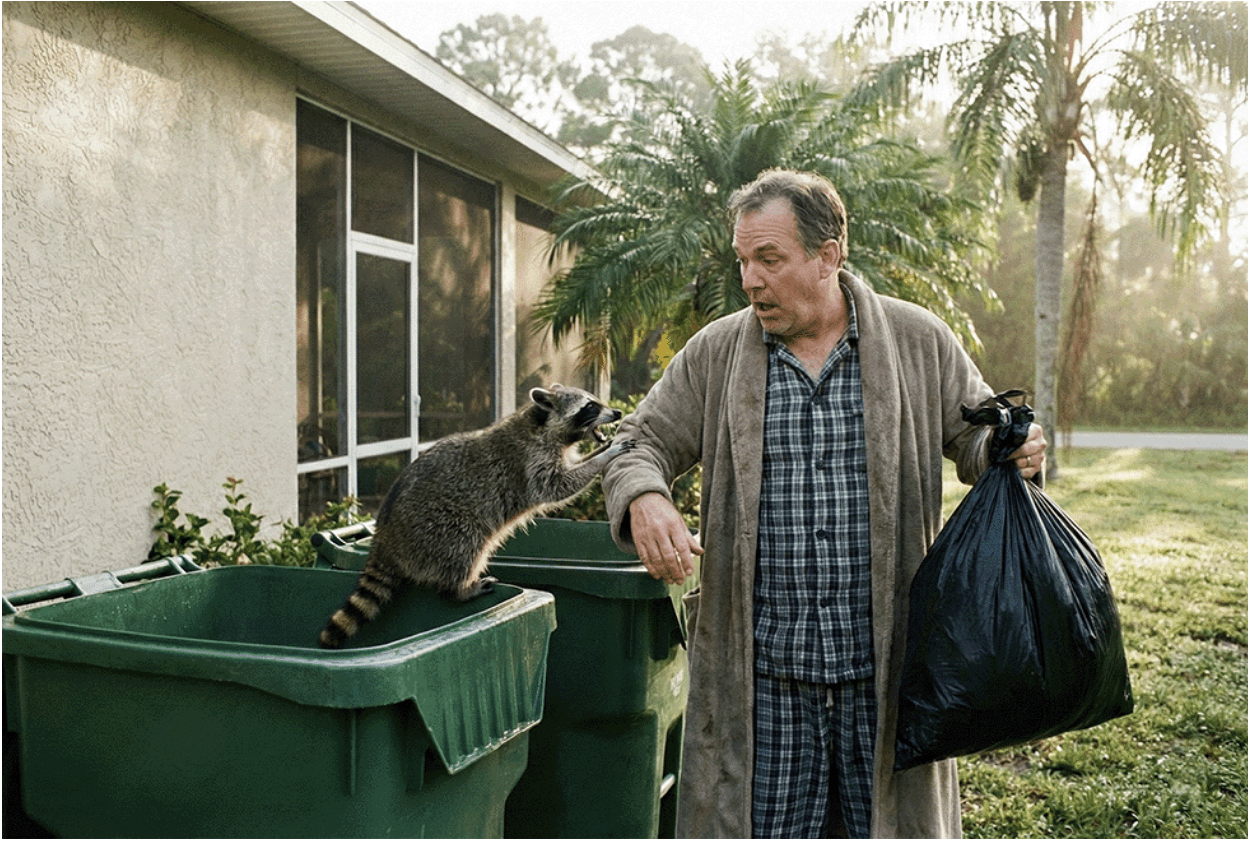

Expert Advice from a Wild Animal Bite Victim Lawyer in Delray Beach
Boca Raton and Delray Beach’s climate and landscape make wildlife encounters a normal part of life, especially in residential communities near canals, lakes, golf courses, and preserved land. We have all seen Residents often wonder: if a wild animal bites me, who is responsible?
Common wild animals in Boca Raton, Delray Beach, and surrounding areas include:
- Alligators: Inflict numerous bites (around 8 annually), usually on small children or pets, but rarely attack adults unless provoked.
- Iguanas: While present and can bite defensively if handled, they are not a major source of bites compared to dogs or alligators.
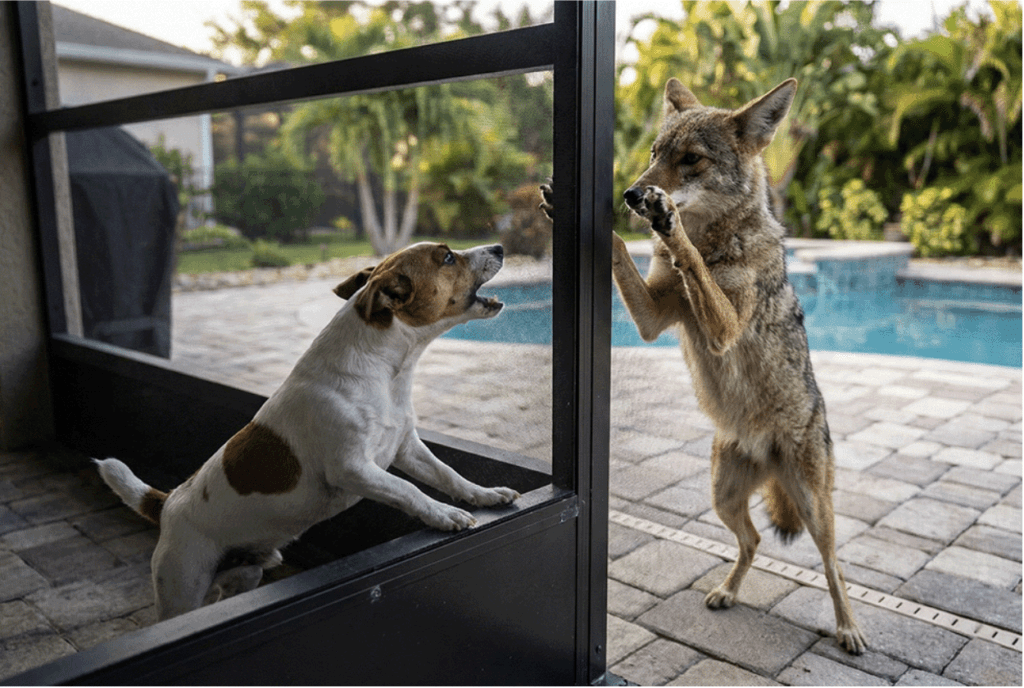
- Coyotes: Generally avoid humans but can attack small pets; people should not feed or approach them.
- Foxes, Squirrels, Raccoons, and Snakes: Can bite if cornered, but are generally not frequent attackers of people unless rabid.
At Zappitell Law Firm, we help residents who have been bitten or injured by wild animals understand their legal rights and pursue compensation when a property owner or homeowners association (HOA) failed to act despite knowing about wildlife risks. Liability often exists when a community or property owner has notice of dangerous wildlife and does not take reasonable steps to protect residents.
“When someone is injured by a wild animal in a residential community, the key question is often whether the danger was known and ignored. If a property owner or HOA had warnings and failed to act, that can create legal responsibility.” David Zappitell – Zappitell Law Firm. |
Iguanas: Neighborhood Encounters in South Florida
Iguanas are an invasive reptile species that have become common in South Florida neighborhoods. They are often seen in backyards, canals, and golf course communities.
While iguanas are generally not aggressive, they may bite defensively if handled or provoked. Serious injuries are uncommon, but repeated activity in shared areas can still create liability concerns for property owners or HOAs.
Residents in communities such as Loggers’ Run have reported seeing iguanas near canals and backyard spaces. Many South Florida neighborhoods monitor iguana activity through tools like the Florida Iguana Tracker.
“Iguanas may not be viewed as dangerous at first, but when an HOA allows repeated activity in shared areas without addressing the risk, injuries can happen that were entirely preventable,” explains Zappitell.
Coyotes: Protecting Pets and Residents
Coyotes are increasingly entering suburban neighborhoods and residential communities, including areas like The Club at Boynton Lakes. They generally avoid humans but can pose a risk to small pets and occasionally to people if cornered or fed.
Common risks include:
- Small pets left unattended
- Coyotes roaming streets and backyards
- Coyotes are losing their natural fear of people due to feeding or frequent human contact
The Florida Fish and Wildlife Conservation Commission continuously updates coyote sightings in South Florida. When warnings are ignored, liability may arise if pets or residents are harmed.
Alligators: Safety Near Water
Alligators inhabit freshwater canals, lakes, and retention ponds, many of which are directly within residential communities.
Areas where alligators are most often seen include:
- Backyards connected to canals
- Golf course water hazards
- Retention ponds within HOA communities
- Patios, pools, and seating areas near water
Alligators can inflict serious injuries, especially when they encounter children or pets.
“Alligator cases are especially serious because of the severity of injuries they can cause,” says Zappitell. “If an HOA knows alligators are present near homes and does nothing to protect residents, that is a major safety failure.”
Other Wildlife: Foxes, Squirrels, Raccoons, and Snakes
Other animals in South Florida neighborhoods include foxes, squirrels, raccoons, and snakes. They may bite if cornered or threatened, and certain species are monitored for rabies risk. Any bite should be treated seriously, especially if prior wildlife activity was known and ignored.
Private vs. Public Area Bites: Who Can Be Held Responsible?
- Private property or HOA-managed communities: Property owners or HOAs can be held liable if they were aware of wildlife dangers and failed to act.
- Public streets, parks, or preserves: Liability may be limited, but reporting the incident to local authorities is still important to document risk.
“We regularly see cases where residents complained about wildlife activity long before someone was hurt. When those warnings are documented and no reasonable steps are taken, liability may exist,” says Zappitell.
How Zappitell Law Firm Can Help After a Wild Animal Bite
Wild animal bite cases often depend on what was known, who was warned, and what actions were not taken. Our team helps clients by:
- Investigating prior complaints and wildlife sightings
- Reviewing HOA records and property maintenance practices
- Identifying failures to warn or mitigate known wildlife risks
- Pursuing compensation for medical costs, pain, and recovery
Of course, a wild animal bite lawyer like David Zappitell also handles dog bite victim cases in Delray Beach or Boca Raton. If you or a loved one has been bitten by a wild animal or dog, click here or give us a call at (561) 330-6330 to discuss your legal options.
Prevention Tips for Residents
- Keep pets indoors or supervised when wildlife is known in the area
- Avoid feeding wild animals
- Secure trash and food sources that attract wildlife
- Report sightings to local authorities or HOA management
- Educate neighbors about local wildlife risks
Frequently Asked Questions
Q: What should I do immediately after a wild animal bite?
A: Seek medical attention first to prevent infection and document your injuries. Report the incident to local wildlife authorities.
Q: Can homeowners or HOAs be held responsible for wild animal bites?
A: Yes. Liability may exist if they were warned of wildlife dangers and failed to take reasonable steps to protect residents.
Q: Are iguana bites dangerous?
A: Iguanas may bite defensively, but serious injuries are uncommon. Still, repeated activity in residential areas can create risk.
Q: How can Zappitell Law Firm help me after a wild animal bite?
A: We investigate the circumstances, identify responsible parties, and pursue compensation for injuries, medical bills, and pain and suffering.
Q: Can I file a claim if a wild animal bites my child in a residential community?
A: Yes. If the HOA or property owner had prior notice of wildlife activity and failed to take reasonable precautions, you may be able to pursue a claim for your child’s injuries, including medical bills and pain and suffering.
Q: Should I report all wild animal sightings to my HOA or local authorities?
A: Yes. Reporting sightings helps establish a documented history of wildlife presence, which can be critical if an injury occurs and legal responsibility needs to be determined.
About the Author
David J. Zappitell is a Florida Bar Certified Civil Trial Lawyer and the founder of Zappitell Law Firm in Delray Beach. With decades of experience representing victims of car accidents and other personal injury cases, David has been recognized among the National Trial Lawyers: Top 100 for his dedication to justice and client advocacy.
In an accident? Tell Us More!
Categories
- Accident Attorney
- attorney for car accident
- attorneys for car accidents
- Bicycle Accidents
- Business Law
- Car Accidents
- David Zappitell
- delray beach personal injury attorney
- Drugs Crime
- Lawsuit
- medical malpractice lawyers
- Motorcycle Accidents
- Parking Lot Accidents
- Personal Injury
- personal injury attorney near me
- Truck Accidents
- Uncategorized
- Uncategorized
- Uninsured/Underinsured Motorist Accidents
- Zappitell Law Firm